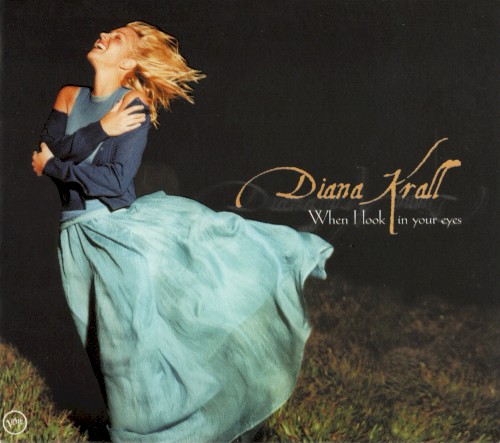
Album Information Section
Album Title: When I Look in Your Eyes
Artist: Diana Krall
Original Release Date: May 21, 1999
Label: Unknown Label
Genres: Jazz, Vocal Jazz
Track Listing:
- 1. Let’s Face the Music and Dance (5:18)
- 2. Devil May Care (3:20)
- 3. Let’s Fall in Love (4:19)
- 4. When I Look in Your Eyes (4:32)
- 5. Popsicle Toes (4:28)
- 6. I’ve Got You Under My Skin (6:11)
- 7. I Can’t Give You Anything but Love (2:33)
- 8. I’ll String Along With You (4:46)
- 9. East of the Sun (and West of the Moon) (4:57)
- 10. Pick Yourself Up (3:02)
- 11. The Best Thing for You (2:37)
- 12. Do It Again (4:45)
- 13. Why Should I Care (3:46)
Recording Information
“When I Look in Your Eyes” was recorded at the renowned Avatar Studios in New York City, a venue known for its high-quality acoustics and state-of-the-art recording equipment. The album was produced by the esteemed Tommy LiPuma, who had a long history of producing successful jazz and pop albums. The recording took place over the course of several months leading up to its release in 1999, with sessions primarily occurring in late 1998 and early 1999.
The engineering team included the talented Al Schmitt, whose expertise in capturing the nuances of jazz performances played a crucial role in the album’s sound. Notable recording techniques included the use of vintage microphones and analog equipment, which lent a warm, authentic quality to the recordings. One interesting production note is that Krall and her team aimed to create a live, spontaneous feel throughout the album, capturing the essence of her performances in intimate settings.
Band Context
By the time “When I Look in Your Eyes” was released, Diana Krall had already established herself as a prominent figure in the jazz world. Her previous album, “Love Scenes,” had garnered critical acclaim and commercial success, setting the stage for this follow-up. At this point in her career, Krall was recognized for her unique blend of jazz, pop, and traditional standards, characterized by her sultry vocal style and exceptional piano skills.
The lineup on this album features a variety of talented musicians who complemented Krall’s artistry. Among them were notable figures such as bassist Christian McBride, drummer Jeff Hamilton, and guitarist Anthony Wilson. These musicians brought their own influences and styles to the recording, enriching the overall sound of the album.
Leading up to the album’s release, Krall had experienced a significant rise in popularity, fueled by her dynamic performances and the success of her previous works. The late 1990s marked a period of artistic growth for Krall, as she began to attract a broader audience beyond traditional jazz listeners, paving the way for future crossover success.
Track Commentary
The album opens with “Let’s Face the Music and Dance,” a lively number that sets the tone for the collection with its infectious rhythm and playful lyrics. This track, along with “Devil May Care,” showcases Krall’s ability to interpret classic standards with a fresh perspective, blending elements of swing and contemporary jazz.
The title track, “When I Look in Your Eyes,” stands out as a poignant ballad, highlighting Krall’s emotive vocal delivery and lyrical interpretation. The song has become one of her signature pieces, resonating deeply with listeners and critics alike. Other highlights include “I’ve Got You Under My Skin,” where Krall’s jazzy arrangement pays homage to Frank Sinatra’s classic while infusing it with her own style.
Throughout the album, themes of love, longing, and introspection are prevalent, as reflected in tracks such as “East of the Sun (and West of the Moon)” and “Do It Again.” The diversity of musical styles, ranging from upbeat swing to heartfelt ballads, showcases Krall’s versatility as an artist. The final track, “Why Should I Care,” leaves listeners with a reflective note, encapsulating the emotional depth that permeates the album.
Upon its release, “When I Look in Your Eyes” received positive reviews, with many critics praising Krall’s vocal prowess and the album’s sophisticated production. Over the years, it has solidified its place in the jazz canon, contributing to Krall’s legacy as one of the leading contemporary jazz musicians of her time. The album not only reflects her artistic vision but also serves as a testament to her ability to connect with audiences through the timeless language of music.