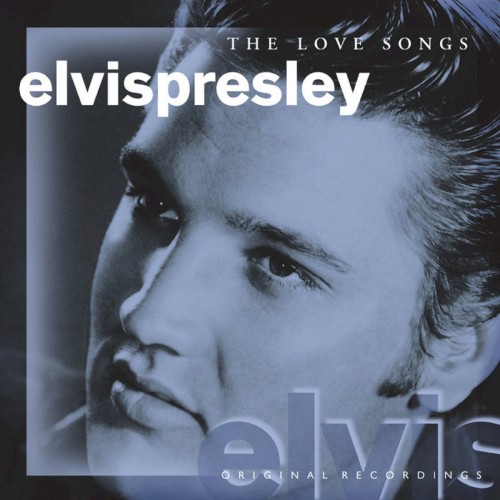
Album Information Section
Album Title: The Love Songs
Artist: Elvis Presley
Original Release Date: 2000
Label: BMG Special Products
Genres: Pop, Rock and Roll, Country
Track Listing:
- 1. Are You Lonesome Tonight? (3:09)
- 2. Can’t Help Falling in Love (3:02)
- 3. It’s Now or Never (3:18)
- 4. Crying in the Chapel (2:28)
- 5. Don’t (2:51)
- 6. Love Me (2:47)
- 7. Always on My Mind (3:41)
- 8. Fame and Fortune (2:32)
- 9. It Hurts Me (2:31)
- 10. I Want You, I Need You, I Love You (2:42)
- 11. Love Letters (2:54)
- 12. Love Me Tender (2:43)
Recording Information
The compilation album “The Love Songs” by Elvis Presley is a collection of romantic ballads that showcases the artist’s vocal prowess and emotional depth. The recording of the original songs featured on this album took place in multiple studios throughout the 1950s and 1960s. Notable locations include RCA Studios in Hollywood and Nashville, Tennessee, where much of Presley’s work was recorded.
Although specific recording dates for each track may vary, many of the songs were laid down during a prolific period in Presley’s career when he was transitioning from a rock and roll sensation to a versatile artist capable of delivering heartfelt ballads. The production was overseen by several notable figures, including Steve Sholes, who was instrumental in shaping Presley’s sound during this era.
The engineering was typically handled by experienced RCA engineers, who utilized advanced recording techniques of the time, such as multi-track recording and echo effects, to enhance the emotional resonance of the songs. Notably, the use of orchestration and backing vocals became a hallmark of the arrangements, adding depth to Presley’s already rich vocal performances.
Band Context
At the time of the release of “The Love Songs” in 2000, Elvis Presley was a revered figure in the music industry, often referred to as the “King of Rock and Roll.” His influence had transcended generations, and this compilation served to remind listeners of his romantic side. Prior to this release, Elvis had experienced a significant career resurgence in the 1960s through films and hit singles, but by the mid-2000s, he had become an iconic figure whose legacy was celebrated through various compilations and tribute albums.
The lineup during the recordings of the original songs included Elvis himself, along with a talented ensemble of musicians who contributed to his recordings, often featuring the Jordanaires as backing vocalists. The late 1950s and early 1960s were marked by cinematic success and chart-topping hits, which solidified Presley’s status as a cultural icon. However, his career faced challenges with changing musical trends, and this compilation reflects a nostalgic look back at his romantic ballads that had captured the hearts of millions.
Track Commentary
The tracks on “The Love Songs” are a testament to Elvis’s ability to convey deep emotion through song. Opening with “Are You Lonesome Tonight?”, the album sets a tone of longing and melancholy, featuring a spoken word section that became one of Presley’s signature styles. “Can’t Help Falling in Love” remains one of his most recognizable tracks, characterized by its gentle melody and heartfelt lyrics, solidifying its status as a timeless love anthem.
Other standout tracks include “It’s Now or Never,” which showcases a blend of pop and operatic influences, and “Crying in the Chapel,” a gospel-infused ballad that highlights Presley’s vocal range and emotional delivery. “Always on My Mind,” originally recorded in 1972, reflects themes of regret and longing, further solidifying its place in the annals of love songs.
Critically, the album has been well-received, with many reviewers praising the emotional depth and vocal delivery throughout the compilation. Each track serves as a reminder of Elvis’s enduring legacy as a master of romantic music, appealing to both long-time fans and new listeners alike. The compilation not only celebrates his romantic ballads but also ensures that the legacy of the “King of Rock and Roll” continues to resonate with future generations.