Album Information Section
Album Title: Sticky Fingers
Artist: The Rolling Stones
Original Release Date: April 23, 1971
Label: Unknown Label
Genres: Rock, Blues Rock
Track Listing:
- 1. Brown Sugar (3:51)
- 2. Sway (3:53)
- 3. Wild Horses (5:43)
- 4. Can’t You Hear Me Knocking (7:16)
- 5. You Gotta Move (2:33)
- 6. Bitch (3:38)
- 7. I Got the Blues (3:55)
- 8. Sister Morphine (5:35)
- 9. Dead Flowers (4:05)
- 10. Moonlight Mile (5:57)
Recording Information
Sticky Fingers was primarily recorded at Muscle Shoals Sound Studio in Muscle Shoals, Alabama, with additional sessions taking place at Olympic Studios in London. The recording process spanned from late 1969 to early 1971, showcasing a transition period for the band as they delved deeper into their musical identity.
The album was produced by Jimmy Miller, who had worked with the band on previous projects, bringing a distinct sound and feel to the production. The engineering team included renowned engineers such as Andy Johns, who played a pivotal role in capturing the raw energy of the band during recording sessions.
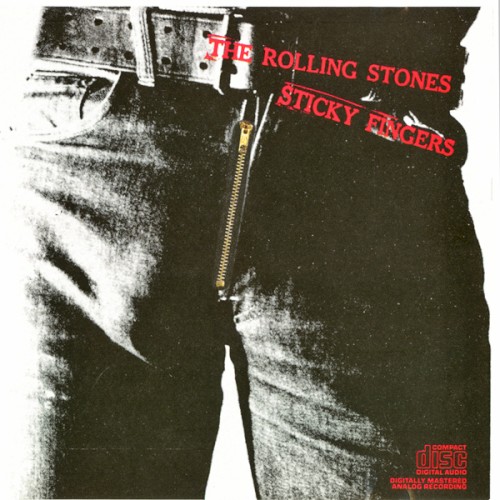
Notably, Sticky Fingers is recognized for its incorporation of various recording techniques that were innovative for the time, including the use of multi-track recording and the integration of live audience recordings. The famous “zipper” cover, designed by Andy Warhol, further added to the album’s allure and marked a significant moment in the intersection of music and visual art.
Band Context
During the early 1970s, The Rolling Stones were at a critical juncture in their career. Following the tumultuous departure of founding member Brian Jones in 1969, the band experienced a period of adjustment. By the time they were working on Sticky Fingers, the lineup consisted of Mick Jagger (vocals), Keith Richards (guitar), Mick Taylor (guitar), Bill Wyman (bass), and Charlie Watts (drums). This period saw Mick Taylor’s influence grow, showcasing his exceptional guitar work and songwriting contributions.
Before recording Sticky Fingers, the band had released the acclaimed Let It Bleed in 1969, which had solidified their status as rock icons. However, they were also grappling with the pressures of fame, substance abuse, and personal issues. The album’s themes often reflect these struggles, blending elements of personal introspection with societal commentary.
Track Commentary
Sticky Fingers opens with the iconic “Brown Sugar,” a song that quickly became a staple of the band’s live performances. Its infectious riff and controversial lyrics sparked conversations about race and sexuality, establishing the band’s unapologetic approach to songwriting. “Sway,” featuring Mick Taylor’s slide guitar, showcases a more soulful side of the band, while “Wild Horses” has since become one of their most beloved ballads, highlighting the emotional depth of Jagger and Richards’ songwriting.
“Can’t You Hear Me Knocking” features an extended jam section that showcases the band’s blues roots, blending rock and improvisational elements. Tracks like “Sister Morphine” and “Dead Flowers” delve into themes of addiction and despair, illustrating the darker aspects of the human experience. Meanwhile, “Moonlight Mile” closes the album with a hauntingly beautiful melody that leaves listeners captivated.
The critical reception of Sticky Fingers was overwhelmingly positive, with many praising its depth and coherence. The album not only solidified The Rolling Stones’ place in rock history but also influenced countless artists across genres. Over the years, tracks from Sticky Fingers have been covered by various musicians, underscoring the album’s enduring legacy in popular music.