Album Information Section
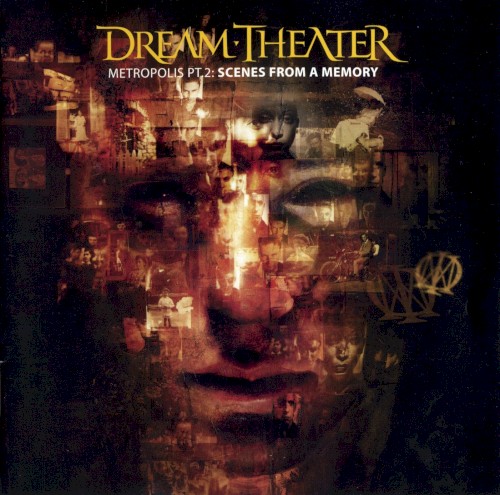
Album Title: Metropolis, Pt. 2: Scenes From a Memory
Artist: Dream Theater
Original Release Date: October 25, 1999
Label: Unknown Label
Genres: Progressive Metal, Progressive Rock
Track Listing:
- 1. Act I: Scene One: Regression (2:07)
- 2. Act I: Scene Two: I. Overture 1928 (3:38)
- 3. Act I: Scene Two: II. Strange Déjà Vu (5:12)
- 4. Act I: Scene Three: I. Through My Words (1:02)
- 5. Act I: Scene Three: II. Fatal Tragedy (6:49)
- 6. Act I: Scene Four: Beyond This Life (11:23)
- 7. Act I: Scene Five: Through Her Eyes (5:29)
- 8. Act II: Scene Six: Home (12:53)
- 9. Act II: Scene Seven: I. The Dance of Eternity (6:14)
- 10. Act II: Scene Seven: II. One Last Time (3:47)
- 11. Act II: Scene Eight: The Spirit Carries On (6:38)
- 12. Act II: Scene Nine: Finally Free (12:00)
Recording Information
“Metropolis, Pt. 2: Scenes From a Memory” was recorded at the prestigious BearTracks Studios in Suffern, New York. The sessions took place in early 1999, particularly during the months of January to April. The album was produced by the band members themselves, alongside engineer and mixer Mike Portnoy, who also contributed significantly to the album’s conceptual and thematic elements.
Notably, the recording utilized a vast array of analog and digital equipment, blending orchestral elements with heavy guitar riffs. This combination was a hallmark of the band’s progressive sound and allowed them to experiment with complex arrangements and time signatures. During production, the band aimed to create a seamless narrative flow throughout the album, which is reflected in the continuous musical transitions between tracks.
Band Context
At the time of the album’s release, Dream Theater was solidifying its position as a leading force in the progressive metal genre, following the success of their previous albums, particularly “Images and Words” (1992) and “Awake” (1994). The band consisted of its classic lineup: James LaBrie on vocals, John Petrucci on guitar, John Myung on bass, Jordan Rudess on keyboards, and Mike Portnoy on drums. This period marked a high point for the band, as they gained a dedicated fanbase and critical acclaim for their technical proficiency and intricate compositions.
Before “Metropolis, Pt. 2,” Dream Theater had experienced a tumultuous time, including lineup changes and the pressures of mainstream success. However, the band returned to their roots with this album, revisiting themes from their earlier track “Metropolis—Part I: The Miracle and the Sleeper” from the album “Images and Words.” This return to thematic storytelling was a significant shift, as it allowed them to explore more profound concepts such as reincarnation, love, and tragedy.
Track Commentary
The album is structured as a rock opera, divided into two acts, with each track serving to advance the narrative. The opening track, “Regression,” sets the stage for the story, introducing a dreamlike atmosphere that carries throughout the album. “Overture 1928” serves as a powerful instrumental piece, showcasing the band’s technical prowess and foreshadowing the complex narrative to unfold.
Tracks like “Strange Déjà Vu” and “Fatal Tragedy” delve into themes of memory and loss, with powerful guitar riffs and intricate keyboard arrangements that characterize the band’s sound. “Beyond This Life,” one of the standout compositions, is an epic 11-minute piece that features multiple sections and showcases the band’s ability to blend heavy metal with melodic elements seamlessly.
The emotional ballad “Through Her Eyes” highlights LaBrie’s vocal range, while “Home” stands out as a centerpiece of the album, combining heavy instrumentation with poignant storytelling. The closing tracks, particularly “The Spirit Carries On” and “Finally Free,” offer a resolution to the narrative, leaving listeners with a sense of catharsis.
The critical reception of “Metropolis, Pt. 2” was overwhelmingly positive, with many praising its ambitious concept, musicianship, and production quality. It solidified Dream Theater’s legacy as pioneers of progressive metal, influencing countless bands in the genre and becoming a staple in their live performances. The album’s narrative depth and musical complexity have sustained its relevance, making it a cornerstone of the progressive rock canon.