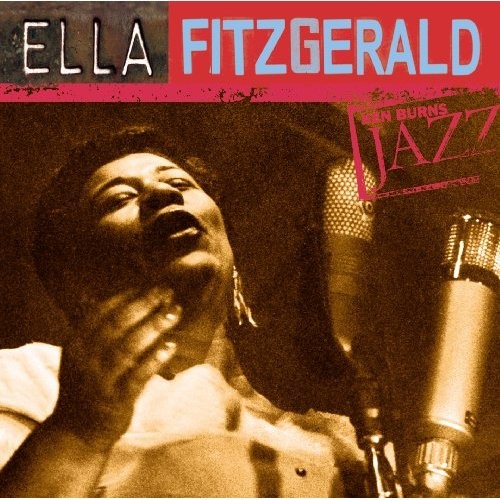
Album Information Section
Album Title: Ken Burns Jazz: Definitive Ella Fitzgerald
Artist: Ella Fitzgerald
Original Release Date: November 7, 2000
Label: Unknown Label
Genres: Jazz, Vocal Jazz
Track Listing
- 1. A-Tisket, A-Tasket (2:40)
- 2. Vote for Mr. Rhythm (2:28)
- 3. Betcha Nickel (2:56)
- 4. Flying Home (2:30)
- 5. Nice Work If You Can Get It (2:38)
- 6. Smooth Sailing (3:07)
- 7. Lullaby of Birdland (2:53)
- 8. Night and Day (3:06)
- 9. Let’s Call the Whole Thing Off (4:13)
- 10. Sophisticated Lady (5:22)
- 11. Oh, Lady Be Good (4:03)
- 12. Blue Skies (3:45)
- 13. Mack the Knife (4:44)
- 14. How High the Moon (7:05)
- 15. Blues in the Night (7:13)
- 16. Mr. Paganini (4:05)
- 17. A Night in Tunisia (4:10)
- 18. Shiny Stockings (3:32)
Recording Information
Ken Burns Jazz: Definitive Ella Fitzgerald was primarily compiled from recordings made at various studios throughout the United States, although specific studio names are not widely documented for this compilation. The recordings date back to the 1930s through the 1960s, capturing the essence of Fitzgerald’s vocal prowess across different styles and arrangements.
The production involved multiple producers and engineers over the years, each contributing to the legacy of Fitzgerald’s recordings. Notable figures in her career included Norman Granz, who played a significant role in producing many of her sessions. Various recording techniques were employed, including the use of early multi-track recording technology that allowed for the layering of instruments and vocals, enhancing the overall sound quality of her music.
Notably, the album serves as a companion piece to Ken Burns’ documentary series on jazz, which sought to highlight the cultural significance of jazz and its prominent figures, with Ella Fitzgerald being a central figure due to her extensive influence on the genre. The compilation presents a curated selection of Fitzgerald’s best-known tracks, enhancing its appeal as both a historical document and a showcase of her remarkable talent.
Band Context
At the time of this compilation’s release in 2000, Ella Fitzgerald was recognized as one of the most influential and revered jazz vocalists in history. Known as the “First Lady of Song,” Fitzgerald’s career spanned over six decades, beginning in the late 1930s. By the time of this album’s release, she had already established a rich legacy of recordings, awards, and accolades, including 14 Grammy Awards, and was celebrated for her scat singing, impeccable phrasing, and ability to convey emotion through her voice.
Throughout her career, Fitzgerald collaborated with numerous jazz legends, including Louis Armstrong, Duke Ellington, and Count Basie. The album reflects her collaborations and performances from various points in her career, showcasing her adaptability and evolution as an artist. During the late 1990s and early 2000s, Fitzgerald’s contributions to jazz were being rediscovered by new generations, thanks in part to documentary projects like Ken Burns’ series.
Significant events leading up to the release of this album included Fitzgerald’s declining health; she had been diagnosed with diabetes and was managing its complications, which would ultimately affect her public performances. Nonetheless, her recordings remained timeless, continuing to resonate with audiences.
Track Commentary
The album features a wide-ranging collection of tracks that exemplify Fitzgerald’s vocal mastery and the various styles of jazz she embraced. “A-Tisket, A-Tasket,” one of her signature songs, showcases her playful approach to music and her innovative scat singing technique, which became a hallmark of her style. This track, along with others like “Lullaby of Birdland” and “Mack the Knife,” highlights her ability to interpret standards with a unique personal touch.
Several tracks on the album, such as “How High the Moon” and “Blues in the Night,” focus on her ability to convey deep emotion through her interpretations, demonstrating her skill in bridging the gap between the technical and the heartfelt. The album also includes collaborations with notable jazz musicians, providing context to her work during a time when jazz was evolving. Tracks like “A Night in Tunisia” and “Mr. Paganini” reflect her versatility and willingness to experiment with different musical forms.
Critically, the compilation received positive feedback for its comprehensive representation of Fitzgerald’s career. Critics noted that the selection of tracks not only showcases her vocal range but also the evolution of jazz as a genre through her interpretations. The album stands as a testament to Fitzgerald’s enduring legacy, cementing her status as an unparalleled figure in the world of jazz.