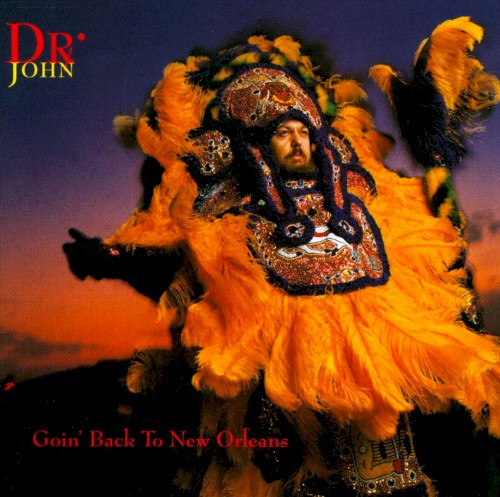
Album Information Section
Album Title: Goin’ Back To New Orleans
Artist: Dr. John
Original Release Date: June 16, 1992
Label: Unknown Label
Genres: New Orleans Blues, Jazz, R&B
Track Listing:
- 1. Litanie Des Saints (4:45)
- 2. Careless Love (4:10)
- 3. My Indian Red (4:48)
- 4. Milneburg Joys (2:39)
- 5. I Thought I Heard Buddy Bolden Say (2:30)
- 6. Basin Street Blues (4:27)
- 7. Didn’t He Ramble (3:28)
- 8. Do You Call That a Buddy? (3:55)
- 9. How Come My Dog Don’t Bark When You Come ‘Round (4:10)
- 10. Good Night, Irene (4:11)
- 11. Fess Up (3:13)
- 12. Since I Fell for You (3:32)
- 13. I’ll Be Glad When You’re Dead, You Rascal You (3:26)
- 14. Cabbage Head (3:59)
- 15. Goin’ Home Tomorrow (3:02)
- 16. Blue Monday (3:01)
- 17. Scald Dog (2:58)
- 18. Goin’ Back to New Orleans (4:10)
Recording Information
The album “Goin’ Back To New Orleans” was recorded at the renowned Sea Saint Studios, located in New Orleans, Louisiana, a city that played a significant role in the album’s thematic and musical identity. The recording sessions took place during the early 1990s, capturing the essence of a city steeped in rich musical history.
Dr. John, whose real name is Malcolm John Rebennack Jr., produced the album along with a talented team of engineers and musicians, though specific engineering credits remain less documented. The album’s recording utilized traditional analog equipment, which contributed to the warm, organic sound characteristic of New Orleans music. Notably, the use of live instrumentation, including brass and woodwinds, adds a layer of authenticity and depth to the tracks.
During the production, Dr. John aimed to create a homage to the vibrant musical culture of New Orleans, incorporating traditional songs and personal interpretations. The album serves as both a celebration and a reflection on the city and its musical legacy.
Band Context
By the time of the album’s release in 1992, Dr. John had already established himself as a significant figure in the music scene, known for his unique blend of New Orleans R&B, funk, jazz, and blues. Having gained prominence since the late 1960s, Dr. John was riding the wave of a resurgence in interest for roots music. This period was marked by a growing appreciation for the musical traditions of the American South, particularly in the wake of the New Orleans jazz revival.
During the recording of “Goin’ Back To New Orleans,” Dr. John was supported by a group of talented musicians, though specific lineup details are not widely documented. The album’s arrangements feature contributions from some of New Orleans’ finest players, reflecting the collaborative spirit of the city’s music scene.
In the years leading up to this album, Dr. John had released several acclaimed records and had begun to receive recognition in mainstream circles, including Grammy nominations. His eclectic style and charismatic persona contributed to his status as an ambassador for New Orleans music, making this album a natural continuation of his artistic journey.
Track Commentary
The tracks on “Goin’ Back To New Orleans” weave together a tapestry of traditional New Orleans songs and original compositions that showcase Dr. John’s deep respect for the city’s musical heritage. The album opens with “Litanie Des Saints,” a haunting invocation that sets the tone for the journey through the city’s musical landscape. This track embodies the spiritual essence of New Orleans, combining bluesy piano with ethereal background vocals.
“Careless Love” and “My Indian Red” follow, demonstrating Dr. John’s ability to reinterpret classic songs while infusing them with his signature style. The album features a range of tempos and moods, from the lively “Milneburg Joys” to the poignant “Good Night, Irene,” illustrating the diversity of emotions present in New Orleans music.
Standout tracks include “Basin Street Blues,” which resonates with the traditional jazz sound, and “Didn’t He Ramble,” a celebration of New Orleans’ storytelling tradition. The album closes with the title track “Goin’ Back to New Orleans,” a fitting finale that encapsulates the spirit of homecoming and nostalgia.
The critical reception of the album highlighted its authentic representation of New Orleans music, with many praising Dr. John’s ability to bridge the past with contemporary sounds. The album solidified his legacy as a keeper of the New Orleans flame, leaving a lasting impact on listeners and musicians alike.