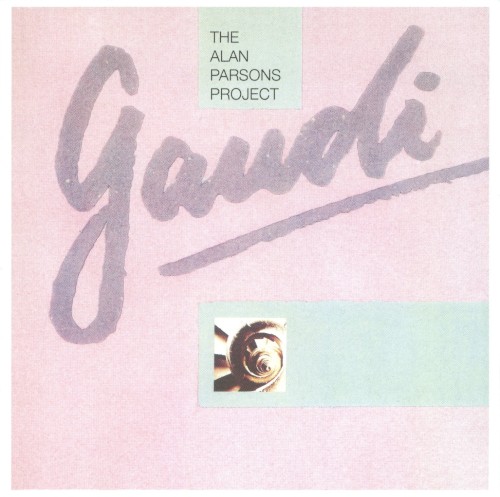
Album Information Section
Album Title: Gaudi
Artist: The Alan Parsons Project
Original Release Date: January 10, 1987
Label: Unknown Label
Genres: Progressive rock, art rock
Track Listing:
- 1. La Sagrada Familia (8:47)
- 2. Too Late (4:31)
- 3. Closer to Heaven (5:53)
- 4. Standing on Higher Ground (5:04)
- 5. Money Talks (4:26)
- 6. Inside Looking Out (6:22)
- 7. Paseo de Gracia (instrumental) (3:47)
Recording Information
The album “Gaudi” was recorded at the famous Abbey Road Studios, located in London, England. This iconic studio, known for its rich history with The Beatles and countless other renowned artists, served as the perfect backdrop for the progressive sound that The Alan Parsons Project sought to achieve.
The recording sessions took place primarily in 1986, during a time when the band was refining their sound and exploring new musical territories. The production was helmed by Alan Parsons himself, who, alongside his co-producer Eric Woolfson, brought a wealth of experience and innovation to the project. The engineering duties were performed by Parsons, ensuring that the sonic quality remained at the forefront of their artistic vision.
Notably, the album utilized advanced recording techniques for its time, including digital sampling and synthesizer programming, which were becoming increasingly prevalent in the 1980s. The use of orchestral elements, particularly in the opening track “La Sagrada Familia,” showcased the band’s ability to blend rock with classical influences. Interestingly, the album’s themes were inspired by the works of the famed architect Antoni Gaudí, reflecting a deep appreciation for art and architecture within the band’s conceptual framework.
Band Context
At the time of “Gaudi’s” release, The Alan Parsons Project was experiencing a period of transition. Formed in 1975, the band initially gained fame for their innovative sound and concept albums, which often combined rock with orchestral and electronic elements. By the late 1980s, however, the lineup had shifted, and the band’s approach had begun to evolve. Key members during the recording of “Gaudi” included Alan Parsons, who played guitar and keyboards, and Eric Woolfson, who was the primary songwriter and vocalist for many tracks.
Before the album’s release, the band had enjoyed significant commercial success with previous projects, but they began to face challenges as musical tastes shifted. The release of “Gaudi” marked a critical juncture for the group, as they sought to redefine their identity amidst a rapidly changing musical landscape. Following “Gaudi,” the band would continue to produce albums, but the creative partnership between Parsons and Woolfson began to fray, ultimately leading to a split in the early 1990s.
Track Commentary
The tracks on “Gaudi” reflect a blend of musical styles and thematic depth, characteristic of The Alan Parsons Project’s work. The opening track, “La Sagrada Familia,” is a grand, sweeping composition that sets the tone for the album, showcasing intricate arrangements and a powerful vocal performance from Woolfson. This track, in particular, captures the essence of Gaudí’s architectural genius, with its complex structure mirroring the famous basilica in Barcelona.
“Too Late” follows with a more straightforward rock sound, offering a stark contrast to its predecessor while still maintaining lyrical depth. The song’s themes of regret and reflection resonate strongly, demonstrating the band’s ability to convey emotional narratives through music. “Closer to Heaven” continues this exploration with a more melodic approach, featuring lush harmonies and an uplifting message.
Tracks like “Money Talks” and “Standing on Higher Ground” delve into social commentary, addressing themes of materialism and aspiration. These songs resonate with listeners, serving as both catchy tunes and thought-provoking pieces. “Inside Looking Out” presents a more introspective view, encapsulating the sense of looking inward and questioning one’s place in the world.
The album closes with “Paseo de Gracia,” an instrumental piece that provides a reflective pause, allowing the listener to absorb the album’s themes. The varied musical styles and thoughtful lyrics have led to a lasting legacy for “Gaudi,” with many tracks being celebrated for their artistic ambition and production quality. The album, while perhaps not as commercially successful as earlier works, is lauded by fans and critics alike for its bold experimentation and conceptual depth, solidifying its place in the pantheon of progressive rock music.