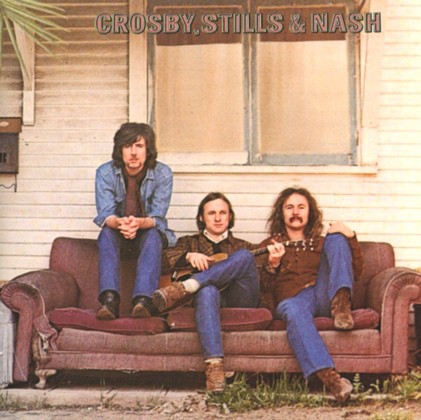
Album Information Section
Album Title: Crosby, Stills & Nash
Artist: Crosby, Stills & Nash
Original Release Date: May 29, 1969
Label: Unknown Label
Genres: Folk Rock, Soft Rock
Track Listing:
- 1. Suite: Judy Blue Eyes (7:24)
- 2. Marrakesh Express (2:38)
- 3. Guinnevere (4:39)
- 4. You Don’t Have to Cry (2:45)
- 5. Pre‐Road Downs (2:56)
- 6. Wooden Ships (5:28)
- 7. Lady of the Island (2:39)
- 8. Helplessly Hoping (2:42)
- 9. Long Time Gone (4:16)
- 10. 49 Bye‐Byes (5:13)
Recording Information
The album “Crosby, Stills & Nash” was recorded at the famed Wally Heider Studios in San Francisco, California. This studio was known for its excellent acoustics and was a popular choice among many artists of the era. The recording sessions took place in early 1969, culminating in the release of the album later that year.
The producers of the album were the trio itself: David Crosby, Stephen Stills, and Graham Nash, alongside engineer Bill Halverson. The collaborative nature of the production was significant, as each member brought their unique vision and musical style to the recordings. Notable recording techniques included the innovative use of multi-track recording, which allowed for the intricate vocal harmonies that the band is renowned for. The album was celebrated for its clear production and the blending of acoustic and electric instrumentation.
One interesting production note is that the members were known to have recorded their parts separately at times, which was somewhat innovative for the period. This allowed each artist to contribute to the overall sound without the constraints of being in the same room, leading to a more refined and polished final product.
Band Context
By 1969, Crosby, Stills & Nash had emerged from the ashes of their previous musical endeavors, with each member having achieved varying degrees of success before forming the group. David Crosby was previously a member of The Byrds, Stephen Stills had been in Buffalo Springfield, and Graham Nash was known for his role in The Hollies. The formation of the trio was a response to the social and political upheaval of the 1960s, as they sought to create music that resonated with the counterculture movement.
The lineup during this recording consisted of David Crosby (vocals, guitar), Stephen Stills (vocals, guitar, keyboards), and Graham Nash (vocals, guitar). The band had only recently come together, and their chemistry was evident in the harmonious blend of their voices and the rich instrumentation that characterized the album.
Leading up to the release, the group was gaining significant attention for their live performances, which showcased their tight harmonies and engaging stage presence. The self-titled debut album would go on to solidify their place in music history and mark a significant shift towards the folk rock and soft rock genres.
Track Commentary
The album opens with the iconic “Suite: Judy Blue Eyes,” a song that showcases the trio’s exceptional vocal harmonies and intricate arrangements. The track, written by Stephen Stills, is often regarded as one of the standout pieces of the album, both for its lyrical depth and musical complexity.
“Marrakesh Express” follows, a lively and upbeat song that draws from Nash’s experiences while traveling in Morocco. The infectious rhythm and catchy chorus make it a memorable track that remains popular among fans.
Other notable songs include “Guinnevere,” which features a softer, more introspective sound, and “Wooden Ships,” a collaboration between Stills and Crosby that speaks to themes of peace and hope in a tumultuous world. The haunting beauty of “Helplessly Hoping” and the reflective nature of “Long Time Gone” further illustrate the band’s range and depth.
The critical reception of “Crosby, Stills & Nash” was overwhelmingly positive, with many reviewers praising the trio’s vocal harmonies and songwriting prowess. The album not only achieved commercial success but also left a lasting legacy, influencing countless artists in the years to follow. Its impact can still be felt in contemporary music, solidifying Crosby, Stills & Nash as icons of the folk rock movement.