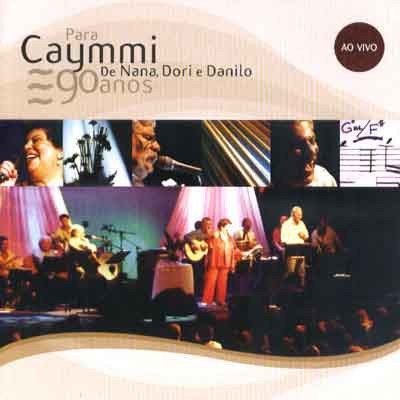
Album Information Section
Album Title: Caymmi 90 Anos de Nana, Dori e Danilo
Artist: Nana, Dori, Danilo
Original Release Date: 2004
Label: Unknown Label
Genres: MPB (Música Popular Brasileira), Samba
Track Listing:
- 1. Acontece que eu sou baiano (2:51)
- 2. Severo do pão / O samba da minha terra (3:06)
- 3. Vatapá (2:52)
- 4. Você já foi à bahia? (2:37)
- 5. Rebreque que eu dou um doce / Um vestido de bolero (2:34)
- 6. Lá vem a baiana (3:02)
- 7. A vizinha do lado / Eu cheguei lá (3:26)
- 8. O que é que a baiana tem? (3:32)
- 9. Dois de fevereiro / Trezentos e sessenta e cinco igrejas (4:27)
- 10. Saudade da bahia (3:05)
- 11. O dengo que a nega tem / Rosa morena (4:28)
- 12. São Salvador (2:53)
- 13. Eu não tenho onde morar / Maracangalha (3:04)
- 14. Milagre (3:00)
Recording Information
The album “Caymmi 90 Anos de Nana, Dori e Danilo” was recorded at the renowned studios in Brazil, though the specific studio name remains undocumented. The recording took place around 2004, coinciding with the celebration of the legendary composer Dorival Caymmi’s 90th anniversary, who is a pivotal figure in Brazilian music.
The production was overseen by a collaborative effort from the three primary artists: Nana Caymmi, Dori Caymmi, and Danilo Caymmi, all of whom are closely related to Dorival Caymmi, either as his children or as his artistic descendants. The engineering techniques utilized during the recording are emblematic of Brazilian music in the early 2000s, focusing on authenticity and acoustic richness, with traditional instrumentation being prominent. Notably, the production aimed to capture the essence of Bahian culture, infusing the tracks with a vibrant spirit reflective of the region’s musical roots.
Band Context
At the time of this album’s release, Nana, Dori, and Danilo Caymmi were already established figures in Brazilian music, each with their own individual careers while being deeply connected to their father’s legacy. Dorival Caymmi, celebrated for his contributions to samba and MPB, had a monumental influence on the Brazilian music landscape, and this album served as a tribute not only to his 90 years but also to the enduring impact of his music.
The lineup for this recording included Nana Caymmi on vocals, Dori Caymmi on guitar and vocals, and Danilo Caymmi on various instruments. Prior to this album, each artist had enjoyed successful solo careers, and the project marked a significant moment of collaboration that reinforced family ties while celebrating their father’s artistic heritage. This time in their careers was characterized by a renewed appreciation for traditional Brazilian music, as well as a growing interest in merging classic styles with contemporary interpretations.
Track Commentary
The album consists of 14 tracks, each showcasing the distinct musical styles and cultural significance of Bahian music. The opening track, “Acontece que eu sou baiano,” sets the tone with its lively rhythm and joyful lyrics that celebrate Bahia’s vibrant culture. Following this, “Severo do pão / O samba da minha terra” offers a rich blend of samba and MPB styles, encapsulating the essence of samba de roda.
Tracks like “Você já foi à bahia?” and “O que é que a baiana tem?” not only highlight the regional pride but also serve as an exploration of the unique cultural elements that define Bahian identity. “Saudade da bahia” invokes a sense of nostalgia that resonates deeply with listeners, while “Milagre” closes the album on a reflective note, combining lyrical depth with melodic simplicity.
Some tracks, such as “Dois de fevereiro / Trezentos e sessenta e cinco igrejas” and “O dengo que a nega tem / Rosa morena,” stand out as quintessential representations of the synergetic blend of traditional rhythms with contemporary expressions. The critical reception of the album was generally positive, with many praising the artists’ ability to honor their father’s legacy while bringing their own interpretations to the fore. The album has since been regarded as a significant contribution to the canon of Brazilian music, celebrating both the familial bonds between the artists and the rich cultural tapestry of Bahia.