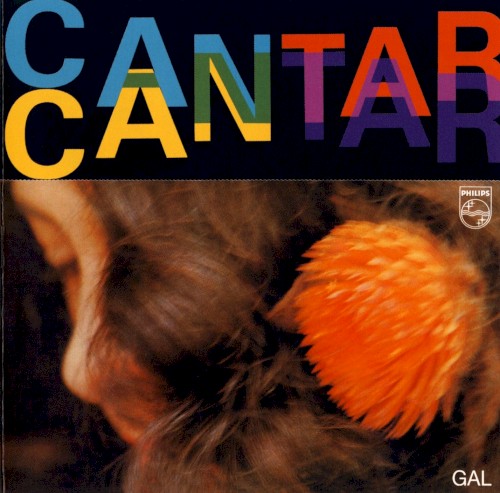
Album Information Section
Album Title: Cantar
Artist: Gal Costa
Original Release Date: 1974
Label: Mercury Records
Genres: MPB (Música Popular Brasileira), Tropicália
Track Listing
- 1. Barato total (3:53)
- 2. A rã (4:00)
- 3. Lua, lua, lua, lua (3:11)
- 4. Canção que morre no ar (1:59)
- 5. Flor de maracujá (3:04)
- 6. Flor do cerrado (3:19)
- 7. Jóia (3:32)
- 8. Até quem sabe (3:45)
- 9. O céu e o som (3:05)
- 10. Lágrimas negras (3:41)
- 11. Chululu (0:57)
Recording Information
The album “Cantar” was recorded at the renowned Estúdio Eldorado in São Paulo, Brazil. The sessions took place in 1974, a pivotal year for Brazilian music and culture, as the Tropicália movement was still resonating in the artistic landscape. The album was produced by the celebrated musician and producer, Caetano Veloso, who was a central figure in the Tropicália movement alongside Gal Costa. The engineering for the album was handled by the skilled hands of Jorge Antunes.
Notable recording techniques included the innovative use of acoustic and electric instrumentation that blended traditional Brazilian rhythms with contemporary sounds, reflecting the eclectic style characteristic of the era. The production sought to capture a raw yet polished sound, allowing Costa’s powerful voice to shine through. Anecdotes from the recording sessions suggest that the collaborative atmosphere fostered by Veloso allowed for spontaneous creativity, leading to the inclusion of unexpected musical elements, such as unconventional time signatures and instrumentation.
Band Context
At the time of “Cantar,” Gal Costa was emerging as one of the leading figures in Brazilian popular music. Having already made a significant impact with her self-titled debut album in 1969, Costa was known for her unique vocal style and her ability to traverse various musical genres. By 1974, she was firmly established within the Tropicália movement, which sought to merge Brazilian popular music with foreign influences, particularly rock and pop.
During this period, the lineup of musicians accompanying Gal Costa included prominent figures from the Tropicália movement, such as musicians from Os Mutantes, a band known for its experimental sound. In the lead-up to “Cantar,” Costa had experienced both critical acclaim and political scrutiny due to the censorship imposed by the Brazilian military dictatorship. The creation of this album was a personal and artistic response to the socio-political climate of Brazil, encapsulating a sense of resilience and creativity despite the oppressive atmosphere.
Track Commentary
The album opens with “Barato total,” a vibrant track that encapsulates the spirit of the Tropicália movement through its fusion of traditional Brazilian rhythms and psychedelic rock elements. The lush instrumentation and Costa’s compelling vocals set a high bar for the rest of the album. “A rã” follows with its playful lyrics and whimsical melody, exemplifying Costa’s ability to convey deep emotion through seemingly simple themes.
Tracks like “Flor de maracujá” and “Jóia” showcase Costa’s range, combining samba influences with pop sensibilities. “Lágrimas negras,” a cover of a classic by the legendary Brazilian composer, is a standout track that highlights the emotional depth of Costa’s artistry. The poignant lyrics and melancholic melody resonate deeply, making it a favorite among listeners and critics alike.
In terms of critical reception, “Cantar” has been lauded for its artistic coherence and innovative sound. The album’s legacy continues to influence generations of Brazilian musicians, cementing Gal Costa’s status as an icon in MPB. Each track contributes to a broader narrative of resilience, creativity, and the complex cultural landscape of Brazil during a time of upheaval. The album remains a significant entry in Costa’s discography and an essential listen for those exploring the rich tapestry of Brazilian music.