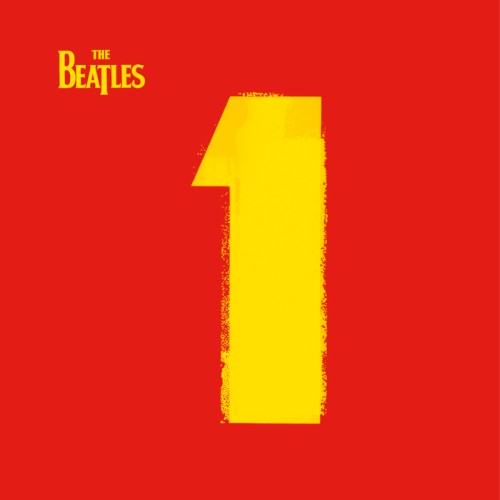
Album Information Section
Album Title: 1
Artist: The Beatles
Original Release Date: 2000-11-13
Label: Unknown Label
Genres: Rock, Pop
Track Listing
- 1. Love Me Do (2:21)
- 2. From Me to You (1:56)
- 3. She Loves You (2:21)
- 4. I Want to Hold Your Hand (2:25)
- 5. Can’t Buy Me Love (2:12)
- 6. A Hard Day’s Night (2:33)
- 7. I Feel Fine (2:18)
- 8. Eight Days a Week (2:44)
- 9. Ticket to Ride (3:11)
- 10. Help! (2:19)
- 11. Yesterday (2:05)
- 12. Day Tripper (2:48)
- 13. We Can Work It Out (2:15)
- 14. Paperback Writer (2:18)
- 15. Yellow Submarine (2:38)
- 16. Eleanor Rigby (2:07)
- 17. Penny Lane (3:00)
- 18. All You Need Is Love (3:47)
- 19. Hello, Goodbye (3:27)
- 20. Lady Madonna (2:17)
- 21. Hey Jude (7:04)
- 22. Get Back (3:12)
- 23. The Ballad of John and Yoko (2:59)
- 24. Something (3:01)
- 25. Come Together (4:19)
- 26. Let It Be (3:51)
- 27. The Long and Winding Road (3:40)
Recording Information
The album “1” was compiled from various recordings made by The Beatles over their active years from 1962 to 1970. The majority of the songs were recorded at Abbey Road Studios in London, a venue synonymous with The Beatles’ creative output. Various sessions took place between 1962 and 1970, with significant recording periods occurring in the early to mid-1960s as the band evolved from their pop roots into more experimental sounds.
The production was overseen by George Martin, often referred to as the “Fifth Beatle” for his crucial role in shaping the band’s sound. Multiple engineers, including Geoff Emerick and Norman Smith, contributed to the recording sessions. The innovative use of multi-track recording techniques during this period allowed The Beatles to explore a range of musical styles and complex arrangements, pushing the boundaries of pop music at the time.
Notably, the selection of tracks for “1” was based on chart performance, with the album featuring 27 number one hits in the United States and the United Kingdom. The compilation was aimed at celebrating the band’s remarkable commercial success while providing a snapshot of their evolution as musicians.
Band Context
By the time “1” was released in November 2000, The Beatles had long since disbanded, but their legacy remained profoundly influential. The original lineup consisted of John Lennon, Paul McCartney, George Harrison, and Ringo Starr, who collectively transformed popular music during the 1960s. The album served as a retrospective that celebrated their impact on music and culture, coinciding with a renewed interest in The Beatles due to the rise of digital music platforms.
Prior to the release of “1,” The Beatles had experienced significant changes, including the death of John Lennon in 1980. The surviving members had occasionally reunited for various projects, but the release of this compilation marked a moment of nostalgia and reflection for fans old and new. The album’s cover art, featuring the iconic “1” logo against a bright red background, further emphasized its celebratory nature.
Track Commentary
The tracks on “1” span a wide range of musical styles, showcasing The Beatles’ evolution from their early pop hits to their more complex and sophisticated later work. The album begins with “Love Me Do,” a simple yet catchy tune that marked their first single, and progresses through an impressive catalog of songs that include rock anthems and ballads alike.
Standout tracks such as “Hey Jude,” “Let It Be,” and “Yesterday” illustrate the band’s lyrical depth and melodic prowess, while upbeat tracks like “I Want to Hold Your Hand” and “Twist and Shout” capture the exuberance of their early years. The inclusion of “Eleanor Rigby” and “A Day in the Life” highlights their artistic experimentation, incorporating orchestral elements and complex narratives.
The critical reception of “1” was overwhelmingly positive, with many praising it for its comprehensive representation of The Beatles’ chart-topping hits. The album achieved significant commercial success, topping the charts in multiple countries and introducing new generations to The Beatles’ timeless music. The compilation not only serves as a reminder of their unparalleled contributions to music but also solidifies their status as cultural icons whose influence persists in contemporary music.