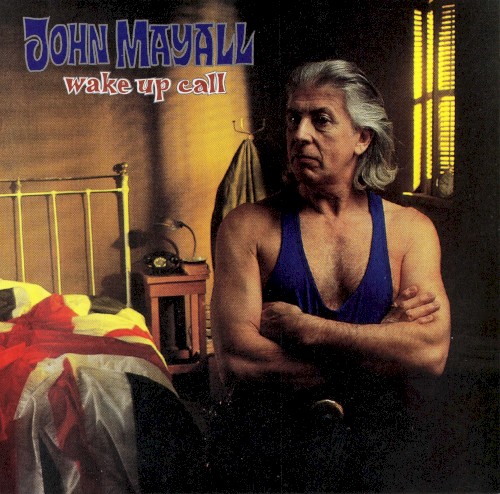
Album Information Section
Album Title: Wake Up Call
Artist: John Mayall
Original Release Date: April 8, 1993
Label: Silvertone Records
Genres: Blues, Blues Rock
Track Listing
- 1. Mail Order Mystics (4:42)
- 2. Maydell (3:58)
- 3. I Could Cry (5:08)
- 4. Wake Up Call (4:14)
- 5. Loaded Dice (4:28)
- 6. Undercover Agent for the Blues (5:22)
- 7. Light the Fuse (4:15)
- 8. Anything I Can Say (3:43)
- 9. Nature’s Disappearing (4:53)
- 10. I’m a Sucker for Love (4:07)
- 11. Not at Home (4:09)
- 12. Ain’t That Lovin’ You Baby (4:14)
Recording Information
“Wake Up Call” was recorded at the renowned Ocean Way Studios in Los Angeles, California. The sessions took place in the early months of 1993, a period marked by Mayall’s continued evolution as an artist and his commitment to the blues genre. Producing the album was the highly regarded John Porter, known for his work with a variety of artists, including The Smiths and B.B. King. The engineering duties were handled by the skilled team at Ocean Way, who utilized state-of-the-art recording techniques to capture the warmth and authenticity of Mayall’s sound.
Notable production techniques included the use of analog recording equipment, which helped maintain the raw energy and feel of live performances. This approach was complemented by the thoughtful arrangement of instruments, allowing Mayall’s expressive vocals and harmonica work to shine through. An interesting production note is that the album’s title track, “Wake Up Call,” was inspired by Mayall’s reflections on the changing landscape of the music industry and his desire to reconnect with the roots of blues music.
Band Context
At the time of the album’s release, John Mayall was a pivotal figure in the blues scene, often referred to as the “Godfather of British Blues.” Having founded the influential Bluesbreakers in the 1960s, which launched the careers of several prominent musicians, including Eric Clapton and Peter Green, Mayall had established himself as a cornerstone of the genre. By the early 1990s, he had undergone numerous lineup changes, yet his band continued to evolve, incorporating new talent while remaining true to their blues roots.
The lineup during the recording of “Wake Up Call” featured a mix of seasoned musicians and newcomers, including guitarist Buddy Whittington, who brought a fresh energy to the band. This period was characterized by a renewed vigor in Mayall’s songwriting and performance, as he sought to explore contemporary themes while honoring traditional blues forms. Leading up to this album, Mayall had released “A Sense of Place” in 1990, which showcased his adaptability and commitment to the genre, setting the stage for the more introspective and socially aware themes present in “Wake Up Call.”
Track Commentary
The album opens with “Mail Order Mystics,” a track that sets a reflective tone with its blend of blues and rock influences. This song features intricate guitar work and showcases Mayall’s lyrical prowess in addressing modern dilemmas. Following is “Maydell,” a more upbeat number that emphasizes the band’s tight musicianship and Mayall’s distinctive voice.
One of the standout tracks, “Wake Up Call,” serves as both the title track and a thematic centerpiece, featuring poignant lyrics that resonate with listeners reflecting on societal changes and personal awakening. The song’s powerful instrumentation, featuring dynamic solos and a driving rhythm, has made it a favorite among fans and a staple in Mayall’s live performances.
Tracks like “Undercover Agent for the Blues” and “Nature’s Disappearing” delve into more serious themes, highlighting environmental concerns and personal introspection through the lens of blues music. The latter track, in particular, has been noted for its haunting melody and evocative lyrics, earning critical acclaim for its depth.
In terms of legacy, “Wake Up Call” is often viewed as a testament to John Mayall’s enduring relevance in the blues genre. The album not only reinforces his status as a blues legend but also introduces a new generation to the rich storytelling and emotional resonance characteristic of his work. The blend of contemporary issues with classic blues elements has helped solidify the album’s place in the annals of blues history.